Nils Schwarz · 23 October 2026
The Intersection of Dynamic Metadata Structuring and Cross-Platform Content Synchronization in Niche Web Publishing Systems
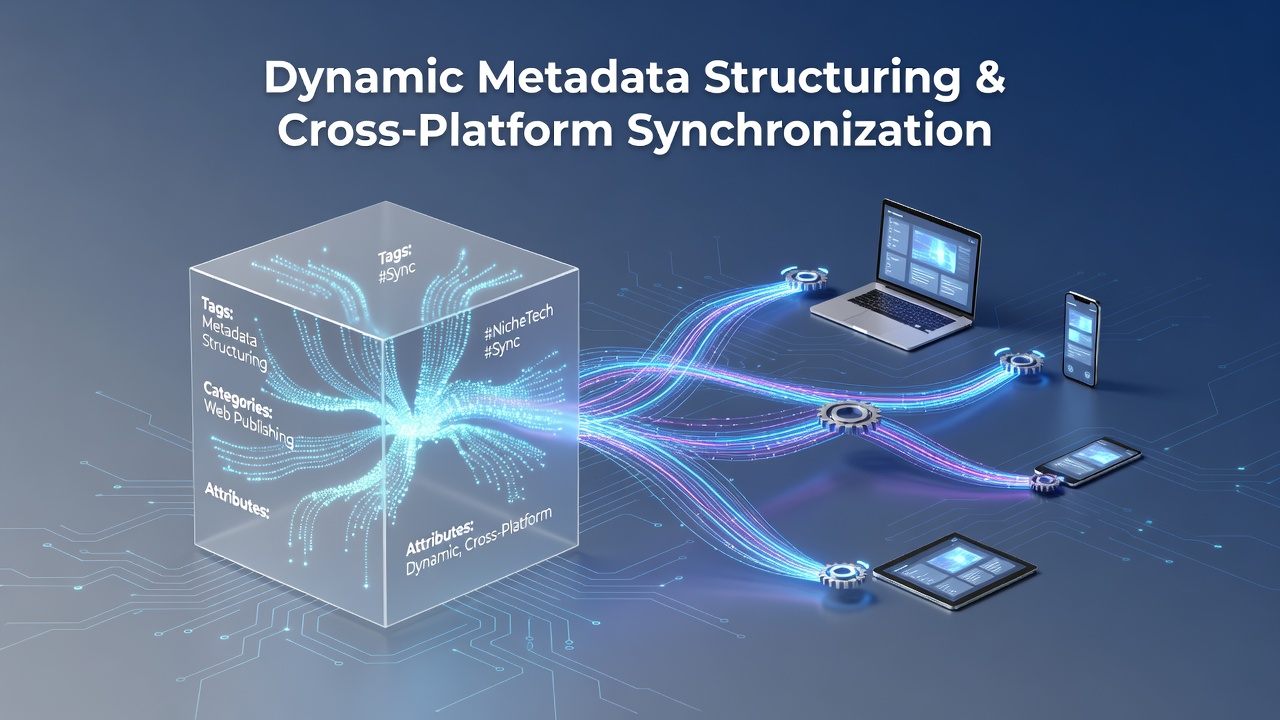
Dynamic metadata structuring refers to the automated creation and adjustment of descriptive data tags that accompany digital content as it moves through publishing workflows, while cross-platform content synchronization ensures that updates propagate consistently across separate systems without manual intervention each time.
Researchers at institutions studying digital infrastructure have documented how these two processes converge in niche web publishing environments where specialized audiences require precise content delivery across multiple channels. Data from industry reports indicate that niche publishers handling topics such as academic repositories or regional cultural archives rely on these combined mechanisms to maintain accuracy and reduce duplication errors.
Core Elements of Dynamic Metadata Structuring
Metadata in these systems adapts in real time based on content changes, user context, and platform requirements, using schemas that evolve through rule-based engines rather than static templates. Studies from European research networks show that dynamic approaches allow fields like keywords, licensing details, and provenance information to update automatically when source material is revised.
Implementation often involves modular frameworks that separate core descriptive elements from platform-specific extensions, which enables publishers to add new attributes without disrupting existing records. Observers note that this flexibility proves especially useful in environments where content must comply with varying regional standards for accessibility and attribution.
Mechanics of Cross-Platform Content Synchronization
Synchronization protocols establish bidirectional connections between publishing tools so that alterations made in one interface appear in others within defined time windows. Technical documentation from standards bodies highlights protocols that use event-driven triggers to push changes while preserving version histories across distributed servers.
Systems designed for niche operations frequently incorporate conflict resolution layers that prioritize certain metadata fields during simultaneous edits, drawing on predefined hierarchies established by the publishing organization. Figures from academic technology reviews reveal that such layers reduce data drift incidents by measurable percentages in multi-user setups.
Where the Processes Converge
The intersection becomes evident when metadata updates trigger synchronization events that then adjust content presentation on downstream platforms, creating a feedback loop that maintains coherence. In niche web publishing, this convergence supports specialized requirements such as embedding discipline-specific taxonomies that must travel intact from a central repository to external syndication partners.
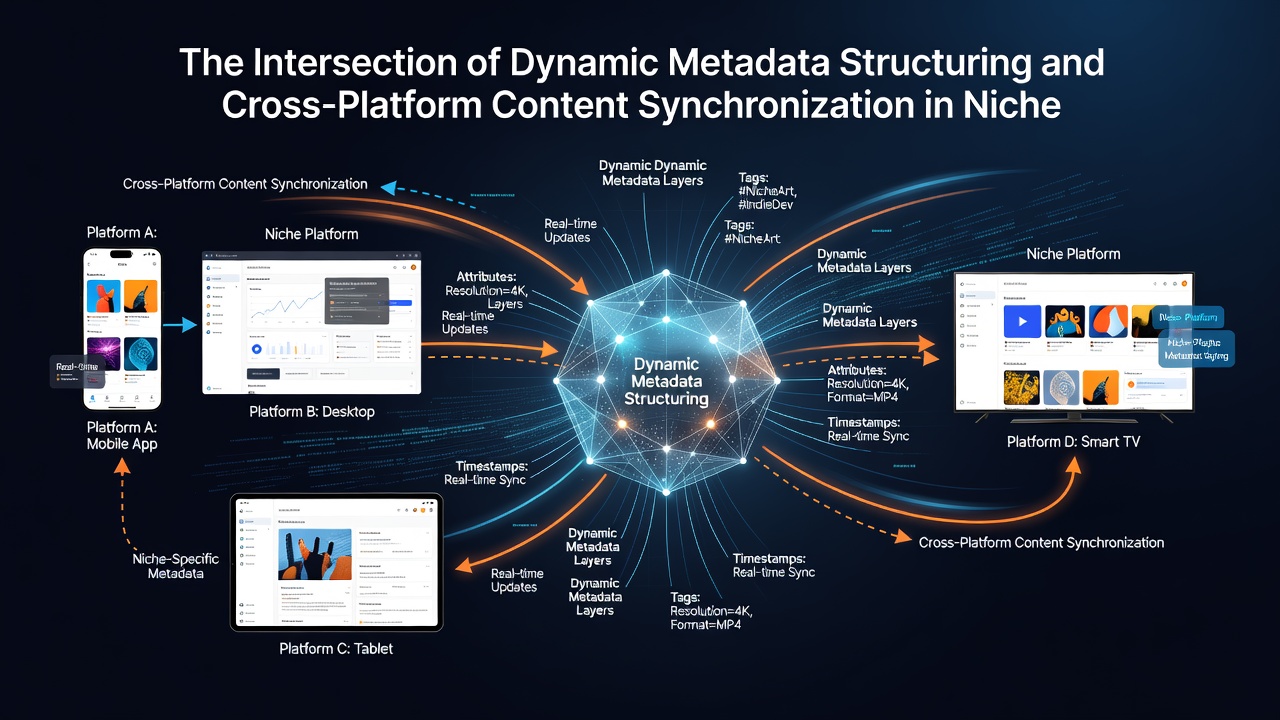
One documented case involved a network of independent scholarly sites that integrated these functions to handle translations and annotations, where a change in the primary language metadata automatically synchronized equivalent fields in secondary language versions. Reports from Canadian digital preservation initiatives confirm similar patterns in cultural heritage projects that span multiple hosting environments.
Technical implementations often draw on graph-based data models that represent relationships between content items and their metadata, allowing synchronization scripts to traverse connections efficiently. According to analyses published by international web standards groups, these models scale effectively when the number of connected platforms remains under several dozen while still accommodating growth.
Current Implementations and Data Patterns
As of October 2026, tracking from technology adoption surveys shows increased deployment of combined dynamic structuring and synchronization tools among mid-sized publishing operations that serve focused communities. These deployments frequently appear in sectors handling regulatory documentation or specialized educational resources where consistency across formats carries operational weight.
Performance metrics collected by university-led monitoring projects indicate that average synchronization latency in optimized setups falls below thirty seconds for metadata-only changes, though full content payloads require additional processing time depending on file size and network conditions. Integration with external APIs from government data portals in Australia and the European Union has further extended these capabilities by supplying authoritative reference values that feed directly into dynamic fields.
Security considerations receive attention through encrypted transmission channels and access controls that segment metadata visibility based on user roles, practices detailed in reports from North American research consortia. Such measures help niche publishers meet obligations under diverse data handling frameworks without fragmenting their internal workflows.
Conclusion
The combined application of dynamic metadata structuring and cross-platform synchronization continues to shape how niche web publishing systems manage content integrity across distributed environments. Evidence from ongoing technical evaluations points to sustained refinement of these methods as platforms evolve to handle greater volumes of interconnected data. Publishers operating in these spaces benefit from the resulting consistency when content must remain accurate while reaching audiences through varied digital channels.